Best Caribbean Food in Denver for Rich, Bold Flavors
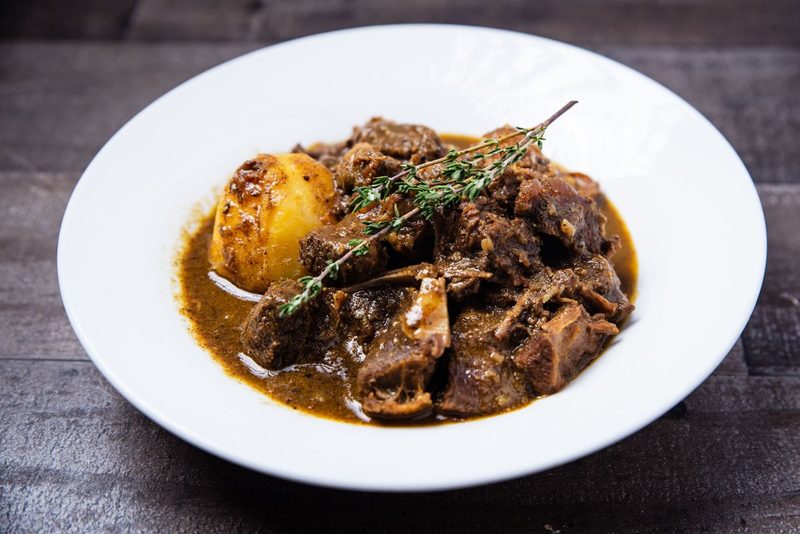
Denver is not the first city most people name when they talk about Caribbean cooking, and that is exactly why the good spots feel like such a reward. You go looking for heat, citrus, smoke, slow braises, and that deep savory backbone that only comes from layered seasoning, and when a kitchen gets it right, the meal stays with you for days. The best Caribbean food in Denver does not rely on novelty. It leans on confidence. Scotch bonnet heat, allspice, thyme, garlic, coconut, ginger, browned onions, char from the grill, and rice that has actually absorbed flavor instead of merely sitting next to it.
A lot of diners flatten Caribbean cuisine into one idea, usually “jerk chicken,” and stop there. That misses the point. Caribbean cooking is broad, regional, and shaped by African, Indigenous, Spanish, French, Indian, Chinese, and British influences, among others. In practice, that means one menu might lead with Jamaican staples, another might focus on Trinidadian doubles or roti, and another may fold in Cuban, Puerto Rican, or Haitian touches depending on the background of the cooks. Denver’s dining scene reflects that mix. It can make finding the right place harder, but it also means the city offers more range than many people expect.
If you are chasing rich, bold flavors, you need to know what separates a merely decent plate from one worth driving across town for.
What “best” really means when you are judging Caribbean food
The strongest Caribbean kitchens usually show their hand before the food even hits the table. You can smell the spice bloom. The chicken or pork carries color from marinade and flame. Rice and beans taste like they were cooked together with intention, not assembled at the end for convenience. Sauces do not sit on top of the food as decoration. They sink in, sharpen edges, and tie things together.
A memorable plate of Caribbean food should deliver contrast. You want tenderness and char, heat and sweetness, acidity and starch, richness and relief. Think of jerk chicken with singed edges and a juicy center, paired with rice and peas that calm the fire without dulling it. Or curry goat, where the sauce is warm with spice rather than aggressively hot, the meat soft enough to yield with little effort, and each bite deepened by thyme, scallion, and stock that has had time to do real work.
This is where some places miss. They focus on a single note, often heat, because it is the easiest signal to sell. Real Caribbean cooking is almost never one-dimensional. Even spicy dishes should have contour. Scotch bonnet should taste fruity before it stings. A curry should smell toasted and earthy before it lands as richness. Plantains should be more than sweet filler. At their best, they bring caramelized edges and a soft center that rounds out the savory parts of the meal.
When locals talk about the best Caribbean food in Denver, what they are usually praising is that balance. Not just spice, not just size of portion, but food with depth.
The dishes that tell you whether a kitchen knows what it is doing
If you only order whatever sounds familiar, you can miss the dishes that reveal the most about a restaurant. Certain staples act like a litmus test. They show whether the kitchen understands marinade, timing, texture, and patience.
Here are the plates most worth paying attention to:
- Jerk chicken, because it exposes everything from spice balance to grill control.
- Oxtail, because weak seasoning and rushed braising have nowhere to hide.
- Curry goat or curry chicken, because the sauce should be developed, not flat.
- Rice and peas, because side dishes often reveal whether care extends beyond the main.
- Plantains, because even simple items tell you a lot about timing and kitchen discipline.
Jerk chicken is the obvious starting point, but it is also one of the easiest dishes to oversimplify. Too many versions taste like barbecue rub with extra chile. Proper jerk should carry allspice, thyme, scallion, garlic, ginger, and chile in a way that tastes integrated. The texture matters too. You want some smoke, some caramelization, and meat that has not dried out under the excuse of “authentic char.”
Oxtail is where seriousness shows. Done right, it is luxurious without being fussy. The gravy should cling to the rice, dark and savory, with onion, browning, herbs, and stock all speaking at once. The meat should be rich but not greasy. If an oxtail plate tastes like generic stew, the kitchen may still be competent, but it is not operating at the highest level.
Curry dishes are another giveaway. In a good Caribbean curry, spice is not a blunt instrument. It should taste bloomed, almost toasted, and the sauce should have body without becoming heavy paste. Goat in particular needs time. When it gets that time, the flavor settles into something earthy, peppery, and comforting. When it does not, you end up chewing at the problem.
Even the sides matter more than many diners assume. Rice and peas should not be bland white rice with beans mixed in as an afterthought. The best versions are aromatic, often with coconut milk, thyme, scallion, and enough salt to stand on their own. The same goes for cabbage, festival, patties, and fried plantains. These supporting parts often decide whether a meal feels complete.
Denver’s Caribbean scene works best when you order with purpose
One thing I have learned from eating Caribbean food in cities where the scene is smaller is that ordering well matters. Menus are often broad by necessity. A restaurant may offer Jamaican staples, a few Latin Caribbean dishes, and some familiar American crowd-pleasers to keep the lights on. That does not automatically dilute quality, but it does mean you should read the menu for clues.
A focused section of the menu usually performs better than the all-purpose one. If a place clearly takes pride in jerk, braises, patties, or roti, start caribbean food denver there. House specialties exist for a reason. Sometimes the sleeper hit is not the most photographed plate but the stew that regulars quietly reorder every visit.
Denver diners also have to factor in the realities of geography and service style. Some of the most satisfying Caribbean meals in the metro area come from casual storefronts, family-run kitchens, ghost kitchens, catering operations with limited pickup windows, or restaurants that operate a little differently from polished downtown spots. That can be a strength. When the attention goes into seasoning and cooking rather than presentation, the food often benefits. The trade-off is that consistency may vary, and you may need patience, especially during peak hours.
That patience is usually worth it for food built on marinades and braises. Caribbean cooking often does not reward speed. Good food takes time to season, smoke, simmer, and rest. If your order takes a bit longer, that is not always a bad sign.
What rich, bold flavor looks like on the plate
People use the phrase “bold flavors” so casually that it can lose meaning. In Caribbean food, bold does not simply mean spicy or salty. It often means highly seasoned food that still tastes clear. You should be able to pick up thyme and scallion in one bite, allspice and char in another, citrus or vinegar in the next. Strong flavors should stack, not blur.
Take a jerk plate at its best. The first thing that hits is aroma, smoke and spice, then the chicken gives way to juicy meat carrying the marinade all the way through. Rice and peas soften the edges. A little slaw or cabbage brings crunch and brightness. Plantains lean sweet and jammy. Hot sauce, if you use it, should sharpen the meal rather than rescue it.
The same principle applies to stewed dishes. Brown stew chicken, for example, should have a gravy that tastes developed and slightly sweet from caramelized onion and browning sauce, but not sugary. Curry goat should feel warming, not muddy. Escovitch fish should cut through richness with vinegar and peppers while keeping the fish itself crisp or tender, depending on style.
Texture is part of bold flavor too. Caribbean food shines when it is texturally alive. Crisp skin against soft rice, sticky oxtail against snappy pickled vegetables, flaky patty crust against spicy beef filling. A plate can be richly seasoned and still feel dull if every element is soft and heavy. The best places understand that and build contrast into the meal.
How to spot a great Caribbean restaurant in Denver before you order
If you are trying a new place and want the best odds of a strong meal, a few details can tell you a lot. None of these are guarantees, but together they are useful.
- The menu has a clear center of gravity rather than trying to be everything.
- Sides and sauces are described with as much care as the mains.
- Staff can explain heat levels, specialties, and regional style without hesitation.
- You smell spice, smoke, or braise when you walk in or open the takeout bag.
- Regulars seem to know exactly what they came for.
One of the most reliable green flags is confidence in the kitchen’s own style. If a restaurant explains that its jerk is sweeter, smokier, or hotter than average, that is often a good sign. It means the food comes from a point of view. The same goes for curry, patties, or rice and peas. Specificity matters.
Service can offer clues too. In a strong place, if you ask what they recommend, the answer usually comes quickly and with detail. Maybe the server warns you that the curry goat sells out late in the day, or that the oxtail is worth the extra cost, or that the patties are better as a starter than a side. That kind of guidance usually comes from a kitchen with a real following.
Why jerk alone should not define your search
Jerk gets the headlines because it is vivid, dramatic, and easy to market. The spice blend is memorable, the color photographs well, and the word itself carries weight. But if you judge Caribbean food in Denver only by jerk, you risk overlooking the range that makes the cuisine special.
A well-made patty can be as satisfying as a large dinner plate, especially if the crust is flaky and the filling stays moist. A good roti can outperform a more famous grilled dish simply because it delivers so much warmth and comfort in one package. Oxtail, if you are in the mood for something rich and slow, often offers more depth than chicken. Fried fish, stewed beans, callaloo, fried dumplings, and cabbage can all become the bite you remember most.
There is also the matter of mood. Not every meal needs to be fiery or smoky. Sometimes the best order is a gentler one, curry with rice, plantains, a patty, and something cold to drink. Caribbean food is full of big personality, but it is also full of softness, fragrance, sweetness, and comfort. The best kitchens know when to press the gas and when to ease off.
Takeout, dine-in, and the reality of eating Caribbean food in this city
Some cuisines travel effortlessly. Caribbean food travels fairly well, but only if you choose carefully. Braised dishes like oxtail, curry, and brown stew chicken often hold up beautifully on the ride home. In some cases, they taste even better after sitting for a few minutes because the sauce settles and the flavors knit. Jerk can go either way. If it is heavily charred and packed well, it can still be excellent. If it steams in a sealed container for too long, you lose the contrast between crust and juicy interior.
Fried items are where takeout gets tricky. Patties survive better than many fried foods because the pastry protects the filling, but fried fish, festival, and some plantains are best eaten sooner rather than later. Texture is half the pleasure. Once steam softens the exterior, the dish loses some of its spark.
For Denver diners, weather can matter too. On a cold day, Caribbean food hits differently. A hot container of curry goat, oxtail, or jerk chicken with rice and peas can feel almost medicinal after a windy evening. Summer changes the calculus. Then you may want brighter dishes, more slaw, sorrel if available, or something grilled and less heavy. The cuisine has enough range to fit both seasons, which is part of why it wears so well in a city with dramatic weather swings.
Price, portion size, and where value really lives
Caribbean food often gets discussed in terms of portion size, and fair enough, many plates are generous. But size alone is a poor measure of value. Oxtail is expensive for reasons that have nothing to do with hype. Good braises take time, labor, and ingredients that are not cheap. If a restaurant charges more for oxtail than jerk chicken, that is usually just the economics of the dish.
The better way to judge value is by fullness and satisfaction. A plate that includes deeply seasoned meat, flavorful rice, properly cooked sides, and a sauce you want to chase with every bite can justify a higher price than a larger but flatter meal. Patties, lunch specials, and combo plates often offer the smartest entry point if you are trying a new place. They let you sample the kitchen’s instincts without committing to the priciest item on the menu.
Families and groups do especially well with Caribbean takeout because the food is built for sharing. One tray of jerk chicken, one curry, a few patties, extra rice and peas, and a side of plantains can cover a table without anyone feeling shortchanged. The practical upside is obvious, but there is also something about this food that invites passing plates and comparing bites. It is social cuisine in the best sense.
Heat tolerance is only part of the equation
A lot of first-timers ask one question before anything else: how spicy is it? That matters, but it should not dominate the conversation. Heat in Caribbean food is not there simply to test courage. It is part of the flavor architecture. Scotch bonnet brings fruitiness, floral notes, and a particular kind of brightness along with its heat. If a restaurant handles spice well, even hotter dishes remain balanced.
That said, kitchens vary, and so do customers. Some places tone things down for the broader Denver market. Others stay assertive. There is no shame in asking how a dish runs on the heat scale or whether hot sauce comes on the side. What matters more is whether the food still tastes complete at a milder level. A strong kitchen can deliver a flavorful curry or jerk plate even when the heat is not extreme.
The same is true for diners who think they want maximum spice every time. Too much added heat can flatten a carefully seasoned dish. Taste first, then decide. You may find the balance is already right where it should be.
Where newcomers should start with Caribbean food in Denver
If you are new to the category and want one reliable path into it, start with a plate that gives you range. Jerk chicken is still a smart first order, particularly if it comes with rice and peas, cabbage or slaw, and plantains. That combination shows off smoke, spice, starch, sweetness, and crunch in one sitting. If the restaurant offers a patty as an add-on, it is worth trying for a sense of contrast.
For diners who prefer slower, richer flavors, oxtail or curry goat may be the better introduction. Those dishes highlight the depth of Caribbean cooking more clearly than grilled meats do. They also tend to convert skeptics quickly. People who think Caribbean food is all fire and flash often change their minds when they taste a braise with real patience behind it.
If you are feeding a group with mixed preferences, build around variety instead of consensus. One spicy dish, one milder braise, a starch or two, plantains, and patties usually covers the table well. Even cautious eaters can find an entry point, while more adventurous diners still get the intensity they want.
The restaurants worth returning to are the ones with a point of view
The best Caribbean food in Denver is not necessarily the most polished, trendiest, or most heavily promoted. It is the food that tastes like somebody cared enough to season aggressively, cook patiently, and resist sanding off the edges that make the cuisine distinctive. Sometimes that comes from a small counter-service spot. Sometimes it comes from a restaurant that quietly built a loyal base one container of curry or jerk at a time.
What keeps people coming back is not mystery. It is the memory of flavor that felt complete. Chicken with actual smoke in it. Rice with personality. Oxtail gravy that soaks into every grain. Plantains that are soft without turning limp. A curry that warms you twice, first when you taste it, then again ten minutes later when the spices keep unfolding.
That is the standard to hold onto when you search for Caribbean food in Denver. Look for depth, not just heat. Look for specificity, not just variety. Look for the places where the sides matter, the sauces matter, and the kitchen knows exactly what it wants the food to say. When you find that, Denver delivers far more than most people expect.
Reggae Pot Jamaican Grill
2243 S Monaco St Pkwy, Suite 104
Denver, CO 80222
(720) 410-2956
FAQ About caribbean food denver
What is a typical Caribbean meal?
Caribbean cuisines vary by island. A Jamaican meal might pair jerk chicken or oxtail with sides such as rice and peas, cabbage, or fried plantains.
What is Jamaica’s national dish?
Ackee and saltfish is widely recognized as Jamaica’s national dish. Check the current menu for availability.
Is Caribbean jerk the same as Jamaican jerk?
Jerk is a Jamaican cooking tradition associated with seasoning and slow cooking or grilling. The exact heat level and preparation vary by cook.