The Best Jamaican Food Pairings for a Memorable Meal
Jamaican food has a way of filling a room before the plates even hit the table. You smell the smoke from jerk seasoning, the sweetness of fried plantain, the warm spice of curry, the deep savor of stewed meats, and that unmistakable peppery edge that tells you someone in the kitchen is cooking with confidence. A memorable Jamaican meal is rarely about one dish standing alone. The real pleasure comes from the pairing, how one plate balances another, how a side cools the heat, how a drink sharpens the spice, how a dessert lands softly after a rich, fragrant main.
That balance matters more in Jamaican cooking than many people first realize. The cuisine is bold, but it is not reckless. Good Jamaican food is built on contrast. Scotch bonnet heat needs sweetness somewhere nearby. Slow-braised richness benefits from something acidic or starchy. Crisp fried elements sit best next to a soft, saucy side. When the pairings are right, the meal feels generous without becoming heavy, exciting without becoming chaotic.
I have found that the best pairings come from respecting what each dish is trying to do. Jerk chicken wants support, not competition. Oxtail needs relief from its own depth. Escovitch fish benefits from sides that leave room for the vinegar and pepper to speak. Even something as humble as patties becomes more memorable when served with the right drink or accompaniment. Jamaican cooking rewards judgment. You do not pile on flavors just because they are all good. You shape the plate so every bite has somewhere to go.
What makes a Jamaican pairing work
Before getting into specific combinations, it helps to think about the structure of a Jamaican meal. Most strong pairings rely on a few simple relationships:
- heat with sweetness
- richness with acidity
- smoke with freshness
- crisp textures with soft, saucy ones
- hearty mains with clean, cooling drinks
Those ideas sound simple, but they show up again and again in the most satisfying meals. If you have ever eaten jerk pork with festival, or curry goat with rice and peas, you already know how natural these combinations feel. One element does not cancel the other. It rounds it out.
A practical point matters too. Jamaican food often arrives generously seasoned, and in home kitchens especially, several dishes may be on the table at once. Pairings need to be considered across the whole spread, not just between two items. If the main is fiery, the sides should not all be equally aggressive. If two dishes are both rich and darkly spiced, add something bright, crunchy, or plain enough to reset the palate.
Jerk chicken with festival and slaw
Jerk chicken is probably the most widely recognized Jamaican food outside the island, and for good reason. Done properly, it delivers smoke, allspice, thyme, scallion, garlic, ginger, and a clean Scotch bonnet heat that lingers rather than bludgeons. The mistake many people make is serving it with sides that mirror all that intensity. That can flatten the meal.
Festival is one of the best companions for jerk chicken because it brings a lightly sweet, fried contrast. Its tender interior and crisp exterior soften the spice while giving you another texture to work with. A bite of jerk chicken followed by festival is satisfying because the sweetness catches the edges of the pepper and spice. The result is not milder exactly, just more complete.
A simple slaw makes the pairing even stronger. Not a heavy, sugary slaw drowning in dressing, but one with a bit of crunch and acidity. Cabbage, carrot, a little lime, maybe a touch of mayonnaise if you want a creamier style. The freshness lifts the smoke and keeps the meal from feeling too dense. This is especially important if the jerk has been cooked over pimento wood or charcoal, because the deeper the smoke, the more the palate benefits from a cool, crisp side.
If you are serving jerk chicken at home and want the plate to feel restaurant-level without overcomplicating it, this is one of the safest combinations to choose. It is also forgiving. Even if your jerk runs hotter than planned, festival and slaw will help bring the meal back into balance.
Jerk pork with roasted breadfruit
Jerk pork carries more fat than chicken, and that changes the pairing. It can handle stronger, starchier sides. Roasted breadfruit is one of the most satisfying options because it has a dry, almost chestnut-like quality when properly cooked. It soaks up the juices from the pork without turning mushy, and its mild flavor gives the seasoning room to stand out.
This is a pairing I especially like for evening meals, when people tend to want something more substantial than rice alone. Breadfruit does not fight for attention. It acts almost like a canvas. A little bite of the caramelized edge of the pork, some roasted breadfruit, maybe a spoonful of pepper sauce if you want more heat, and the meal starts to feel deeply grounded.
You can add a fresh tomato and cucumber salad on the side if the plate needs brightness, but it does not need much. Jerk pork and breadfruit succeed because one is forceful and juicy, the other calm and absorbent.
Curry goat with rice and peas
Some pairings are classics because they solve several problems at once. Curry goat with rice and peas is one of them. The goat is rich, aromatic, and often cooked until the sauce is thick with onion, curry powder, thyme, scallion, and rendered collagen. Rice and peas does more than fill the plate. It moderates the intensity and gives the sauce somewhere to land.
People who have never had well-made rice and peas sometimes treat it as a neutral side. It is not. Coconut milk, thyme, scallion, and the earthiness of kidney beans all contribute flavor, but in a measured way. Against curry goat, those flavors feel supportive rather than competitive. The starch steadies the spice, while the coconut adds a subtle softening effect.
This pairing also has a practical advantage for large gatherings. Curry goat usually tastes even better after the flavors have settled, and rice and peas holds well. That makes it ideal for family lunches, Sunday dinners, and celebrations where food may sit a little before everyone eats. Some of the best versions I have had were served from big pots after a long morning of cooking, when the sauce had thickened and the rice had absorbed every last bit of aroma in the kitchen.
If you want to finish the plate properly, add steamed cabbage. It may sound modest next to curry goat, but that is the point. A lightly seasoned cabbage side with carrot and maybe a little bell pepper creates breathing room.
Oxtail with rice and peas and steamed cabbage
Oxtail is one of the richest dishes in Jamaican cooking, and a favorite for good reason. When braised properly, it gives you deep beef flavor, glossy sauce, and soft pieces of meat that pull cleanly from the bone. Butter beans add creaminess and body. It is indulgent, and that means the pairing has to be thoughtful.
Rice and peas is the traditional choice, and it earns its place here just as it does with curry goat. But with oxtail, the second side matters even more. Steamed cabbage is not decorative. It is essential. The slight sweetness of cabbage, especially with carrot folded in, cuts through the heavy richness of the gravy. It also brings moisture without adding more fat.
I have seen plates of oxtail served with macaroni and cheese, and while that can satisfy a certain comfort-food appetite, it often pushes the meal too far into heaviness. There are moments for excess, but most memorable meals rely on pacing. With oxtail, you want a side that gives the palate relief. Cabbage does that better than almost anything else on the table.
A cold sorrel drink also works beautifully here, especially if it is not overly sweet. The slight tartness and spice from sorrel help clear the richness between bites.
Escovitch fish with bammy
Escovitch fish is one of the clearest examples of how Jamaican pairing relies on contrast. The fish, often snapper, is fried until the skin and edges are crisp. Then it is topped with a sharp, pickled mixture of onion, carrot, Scotch bonnet, and vinegar. It is bright, hot, crunchy, and acidic all at once.
Bammy is the ideal companion. Made from cassava, it has a gentle chew and a mild flavor that grounds the plate. It can absorb some of the escovitch dressing without becoming soggy too quickly, and it tempers the sharpness in a very natural way. Rice would feel too passive here, and a sweet side would distract from the clean punch of the fish. Bammy sits right in the middle, substantial enough to matter, neutral enough to stay out of the way.
A wedge of lime can work if the escovitch needs freshening, though often it does not. What matters more is restraint. Escovitch fish already carries a lot of personality. The best pairing gives it support without clutter.
Brown stew chicken with fried plantain
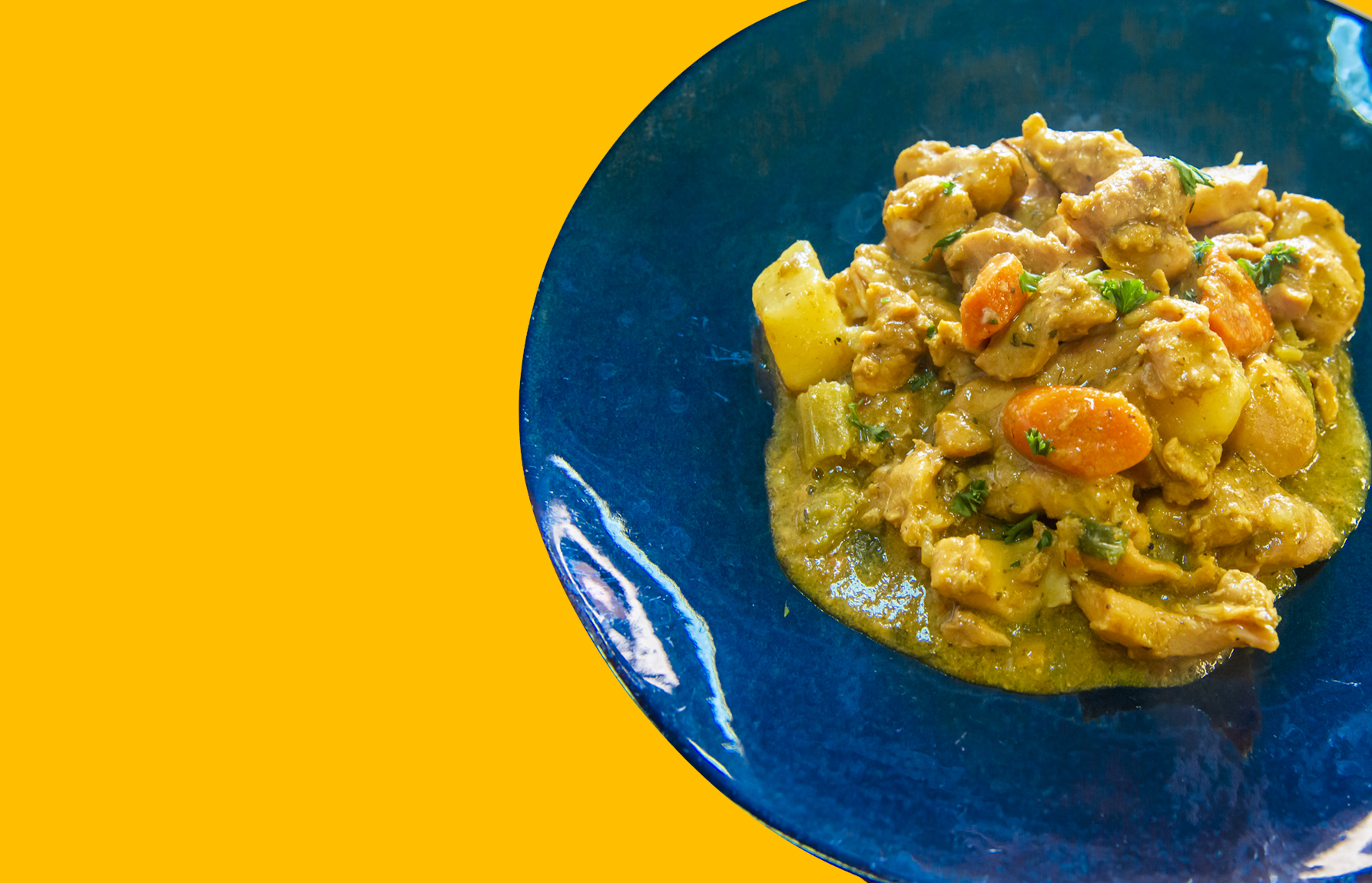
Brown stew chicken can vary from house to house, but at its best it offers browned skin, sweet pepper, onion, thyme, ketchup or tomato richness, and enough gravy to make every forkful count. It is less fiery than jerk, softer around the edges than curry, and that makes it especially versatile.
Fried plantain is a natural match. The sugars in ripe plantain intensify as it fries, and that sweetness meets the savory gravy in a way that feels almost inevitable. It is one of the easiest pairings to love because it works instantly. One bite tells you why it has lasted. The softness of the plantain also complements the tender chicken and sauce without duplicating them.
You can serve this with white rice if you want the stew to take center stage, or with rice and peas if the meal needs more flavor and body. Either works, though I tend to prefer white rice when the brown stew is especially rich or sweet. That keeps the plate from becoming too rounded and lets the browned chicken flavor stay distinct.
Ackee and saltfish with roasted dumpling or fried dumpling
Ackee and saltfish is often treated as a breakfast dish, but it traditional Jamaican cooking can anchor a meal at any time if paired properly. Ackee is delicate and buttery, almost scrambled-egg-like in texture but softer. Saltfish brings salinity and chew. Tomato, onion, Scotch bonnet, and bell pepper add brightness and gentle heat. Because the dish itself is relatively soft, texture becomes important.
Roasted dumpling gives a firmer, denser counterpoint. It can stand up to the moisture of the ackee without disappearing into it. Fried dumpling works too, especially if you want more contrast between the crisp shell and the soft ackee. Which one is better depends on the rest of the meal. If there are already other fried elements on the table, roasted dumpling keeps things from feeling greasy. If the table is otherwise light, fried dumpling adds a little celebration.
This is also one of those dishes where fresh fruit on the side, even something as simple as sliced avocado or ripe tomato, can make the whole plate feel more alive. Ackee and saltfish does not need much, but it does need care.
Jamaican patties with the right drink
A patty may seem too casual for serious pairing talk, but that would miss the point. Jamaican patties are one of the great hand-held foods, flaky, spicy, and deeply satisfying when done right. Whether the filling is beef, chicken, vegetable, or saltfish, the crust and seasoning create a rich bite that benefits from something cold and clean.
Coco bread is the traditional partner if you want a fuller snack or lunch. Tucking a hot patty into soft, slightly sweet coco bread makes the experience more substantial and softens the spice. It is also a good example of Jamaican pairing instincts at work. The bread is not there just to bulk up the meal. It mellows the filling and adds contrast.
For drinks, a cold ginger beer is hard to beat. The ginger sharpness echoes the spice in the patty without copying it. A malt beverage can work too if you want something sweeter and heavier. If the patty is especially spicy, a cold fruit drink, particularly one with citrus, can do a better job of refreshment.
Ital dishes and cleaner pairings
Not all Jamaican food leans heavily on meat or intense richness. Ital cooking, rooted in Rastafarian traditions, often centers vegetables, legumes, natural seasonings, and thoughtful simplicity. That changes the pairing logic. Instead of balancing rich meats or fried textures, you are looking to preserve freshness and earthiness.
A pumpkin stew pairs beautifully with plain rice or quinoa if you want the seasoning to stay clear. Callaloo with boiled green banana gives you a contrast between leafy softness and firm starch. Lentil stew with roasted sweet potato can be excellent when the spices are warm but not overpowering. Here the risk is doing too much. Ital food often tastes best when each component stays recognizable.
A fresh juice works particularly well with ital meals. Carrot juice with ginger, cucumber juice, or a lightly sweetened sorrel can all fit, depending on the season and the spice level.
Drinks that belong at the table
Drinks are often treated as an afterthought, but with Jamaican food they can make or break the meal. Strong seasoning leaves an impression, and a good drink either refreshes the palate or extends the flavors in a useful way.
Sorrel is one of the best all-around choices, especially for rich or festive meals. Its tart, spiced profile cuts through heavy dishes like oxtail and curry goat. Ginger beer is stronger and more assertive, which makes it a good match for patties, jerk, and fried foods. Coconut water can be wonderful with spicy dishes because it cools without adding more sugar than the plate needs.
Rum drinks can work too, but they require judgment. A heavily sweet rum punch beside an already rich meal can push the table toward fatigue. A lighter pour, or a simple rum and soda with lime, often pairs better than anything overly syrupy.
For nonalcoholic choices, fresh limeade deserves more respect than it gets. Its acidity and clean finish suit seafood, fried foods, and jerk especially well.
Desserts that finish the meal instead of overwhelming it
Jamaican desserts carry their own weight. Rum cake, gizzada, toto, grater cake, and sweet potato pudding all have charm, but not every dessert belongs after every main. If dinner has been especially heavy, like oxtail or curry goat, a smaller, firmer dessert such as gizzada can feel more appropriate than a large slab of pudding. If the meal was lighter, say escovitch fish or ackee and saltfish, sweet potato pudding can land beautifully.
Rum cake works best when the meal before it has had some brightness or restraint. After a plate of jerk with fresh slaw and festival, rum cake feels celebratory. After a very rich braise, it can be too much unless served in a modest portion with coffee or tea.
A memorable meal is not always the biggest one. Sometimes it is the meal that knows when to ease off.
Pairing menus that rarely fail
If you are building a full meal and want combinations that consistently work, these are strong places to start:
- jerk chicken, festival, slaw, and limeade
- curry goat, rice and peas, steamed cabbage, and sorrel
- escovitch fish, bammy, and coconut water
- brown stew chicken, white rice, fried plantain, and ginger beer
- ackee and saltfish, roasted dumpling, avocado, and fresh juice
What these menus share is discipline. Each one has a main that leads, a side that absorbs or softens, a fresh or sweet element that balances, and a drink that keeps the palate engaged. That pattern works whether you are feeding four people at home or putting together a larger spread for a celebration.
A few mistakes that flatten the meal
The most common mistake is stacking too many heavy dishes together. Oxtail, mac and cheese, fried chicken, and a creamy dessert may sound generous, but by the middle of the plate everything starts to blur. Jamaican food deserves contrast, not overload.
Another issue is excessive sweetness. Sweet plantain, sweet festival, sweet rum punch, and a sugary dessert can mute the brighter, sharper dimensions of the meal. Sweetness is powerful in Jamaican cooking when it is used to frame spice or salt. When it takes over, the meal loses definition.
Finally, people often underestimate the value of plain elements. White rice, steamed cabbage, bammy, boiled provisions, or a simple salad are not filler. They are often the reason the stronger flavors remain enjoyable from first bite to last.
The meal people remember
The most memorable Jamaican meals are not necessarily the most elaborate. They are the ones where each part seems to understand the others. The jerk has something sweet beside it. The curry has starch to catch the sauce. The fish has a side that lets its acidity shine. The rich dishes have something clean nearby. Even the drink knows its role.
That is the beauty of Jamaican food. It is bold, yes, but also deeply intuitive. It asks you to pay attention to heat, texture, smoke, sweetness, and weight. Once you do, pairing stops feeling like a formal exercise and starts feeling like common sense. You build a plate that lets the food speak in full sentences, not all at once, but in rhythm.
A memorable meal comes from that rhythm. It comes from knowing that the side matters, that the drink matters, that one bright bite can rescue a rich plate, and that the best pairings do not show off. They simply make everything taste more like itself.
Reggae Pot Jamaican Grill
2243 S Monaco St Pkwy #104
Denver, CO 80222
+1 720-410-2956
FAQ About jamaican food
What is the best Jamaican food to try in Denver?
The best choice depends on your tastes. Popular options include jerk chicken, curry goat, slow-cooked oxtail, and savory patties. Reggae Pot lists these dishes on its menu, with sides such as rice and peas and plantains. Ask the Denver team about current availability and spice levels.
Is Jamaican food very spicy in Denver?
Heat varies by dish and preparation. Jerk seasoning often includes scotch bonnet peppers alongside herbs and allspice, while other dishes may have gentler seasoning. Ask about the heat of the specific dish and any sauce before ordering.
What are some popular Jamaican snacks?
Jamaican patties are a popular snack made with flaky pastry and savory meat or vegetable fillings. Other options include fried dumplings and festival, a sweet fried dough often served with savory dishes. Availability varies, so check the current menu when ordering.